Safeguarding Your Rights: How an Attorney Can Navigate Violent Crime Charges and Why Skilled Legal Help Is Vital
Charges involving violent crimes carry serious consequences. Navigating the legal system is complicated and challenging. A competent legal professional is crucial for managing this territory. They grasp legal proceedings, evidence compilation, and defense methods. Their knowledge can dramatically affect case resolutions. What procedures should a person follow directly after receiving such accusations? The response may not be direct, but it proves vital for individuals dealing with these severe accusations.
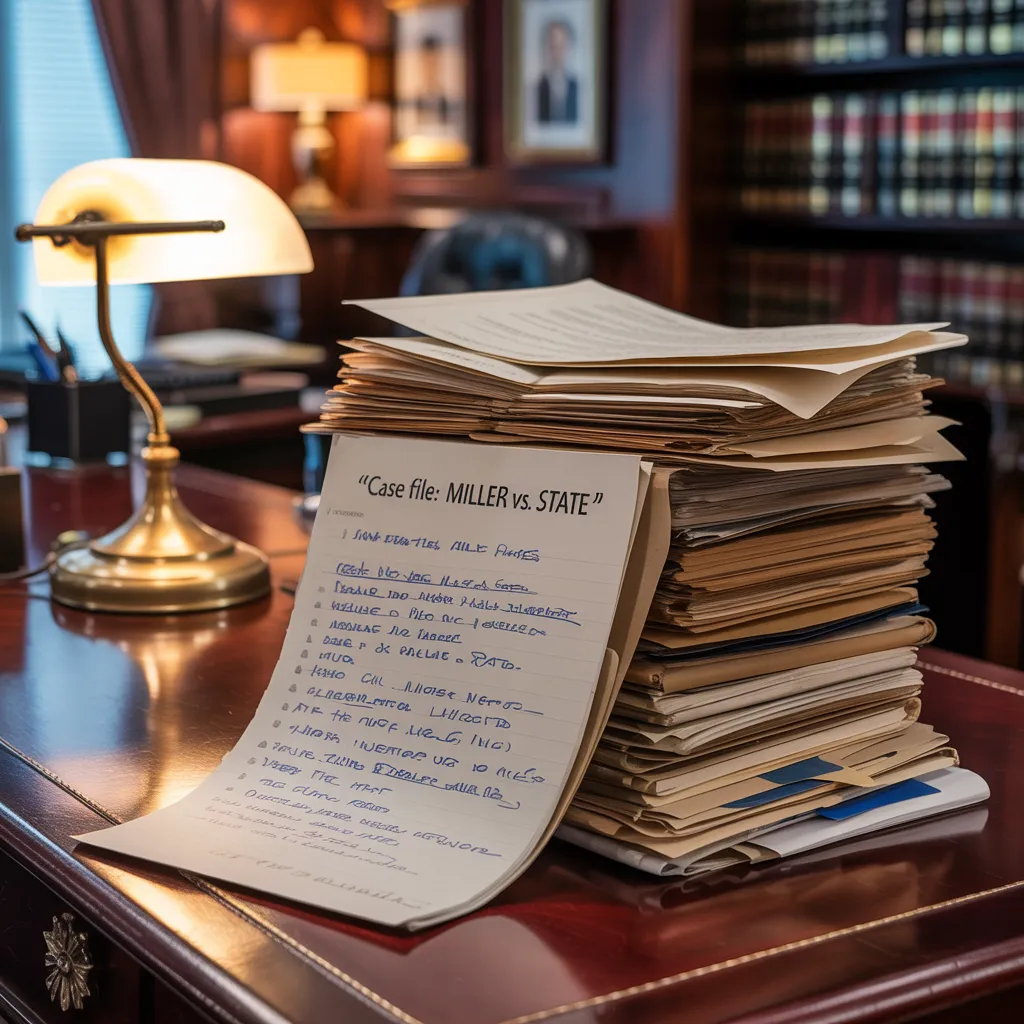
What You Should Do Right After Being Charged with Violent Crimes
When a person is charged with violent criminal acts, it is crucial to act quickly and carefully to safeguard their rights. The first step is to remain calm and not make any statements to law enforcement without legal representation present. Silence can be a significant strategy, as anything said can be used against the individual later in court. Next, securing immediate legal counsel is essential; an experienced attorney can provide guidance customized for the particular circumstances of the case. Collecting and preserving evidence that supports their innocence is also crucial, as it can play a substantial role in the defense. Moreover, it is critical to avoid discussing the case with anyone other than the attorney, as this can avoid potential complications. Finally, complying with any legal requirements, such as attending court dates, is essential to demonstrate compliance and respect for the legal process.

Grasping Violent Crime Allegations: Classifications and Repercussions
Comprehending violent crime charges is vital for anyone facing accusations in this serious legal realm. Common types of charges include assault, robbery, and homicide, each carrying distinct legal implications. The consequences of these charges can vary from substantial fines to lengthy prison sentences, influencing an individual's future significantly.
Standard Categories of Costs
Charges related to violent crimes cover various offenses that may result in serious legal ramifications. Frequently encountered charges involve assault, which entails causing physical harm to another individual, and battery, defined by intentional physical contact. Homicide charges, addressing the unlawful killing of another person, can vary substantially in severity, including murder and manslaughter. Other offenses may include robbery, where force or intimidation is used to steal, and domestic violence, which pertains to violence within intimate relationships. Furthermore, aggravated assault and sexual assault are severe accusations that include more extreme physical harm or coercion. Every charge category has unique legal consequences, making it imperative for individuals facing such accusations to seek professional legal assistance for effective navigation of the legal system.
Legal Penalties Incurred
Confronting violent crime charges can lead to considerable and varied legal consequences, as the severity of the offense often determines the penalties involved. Convictions can bring about prolonged prison sentences, considerable fines, and a permanent criminal record, which may influence future employment and housing opportunities. Misdemeanor charges may result in shorter jail time and lower fines, while felonies can bring about years or even decades of incarceration. Furthermore, individuals may face mandatory counseling, probation, or parole. The emotional toll and social stigma connected to violent crime charges can further complicate reintegration into society. Therefore, understanding these potential consequences highlights the importance of seeking professional legal assistance to navigate the complexities of the legal system effectively.
Why You Require a Skilled Lawyer by Your Side
An experienced attorney provides essential expertise in legal strategies that can substantially impact the outcome of violent crime cases. Their knowledge of court procedures ensures that defendants navigate the complexities of the legal system effectively. Additionally, a good lawyer is instrumental in mitigating potential sentences, advocating for the best possible resolution for their clients.
Proficiency In Legal Strategies
Working through the complexities of violent crime charges demands more than just a basic understanding of the law; it requires the expertise of a skilled attorney. A proficient lawyer possesses a deep knowledge of relevant statutes, case law, and legal precedents, enabling them to craft effective defense strategies tailored to individual cases. They can pinpoint weaknesses in the prosecution's argument, negotiate plea deals, and advocate for reduced sentences or charges. Furthermore, their experience in handling similar cases equips them with the ability to anticipate potential pitfalls and counter them effectively. This strategic insight is essential in ensuring that defendants receive fair treatment and the best possible outcome, making the presence of a competent lawyer indispensable in navigating these serious legal challenges.
Understanding Legal Processes
Maneuvering court procedures can be intimidating, particularly for those unfamiliar with the legal system. Each phase of a case, from arraignment to trial, requires specific protocols, deadlines, and paperwork that must be thoroughly followed. A skilled lawyer brings invaluable knowledge of these procedures, ensuring that rights are protected and that the defendant maneuvers the complexities efficiently. They understand how to file motions, present evidence, and follow courtroom etiquette, which can substantially influence the case outcome. Furthermore, a lawyer can anticipate potential challenges and prepare accordingly, reducing the likelihood of costly mistakes. In high-stakes situations such as violent crime charges, having professional legal representation is essential to navigating these intricate processes with confidence and competence.
Lessening Potential Sentences
Managing the complexities of court procedures is just the beginning of addressing violent crime charges; the potential consequences of a conviction can be serious. A skilled lawyer serves a vital role in mitigating potential sentences. They can pinpoint weaknesses in the prosecution's case, negotiate plea deals, and advocate for alternative sentencing options, such as rehabilitation programs. Moreover, an experienced attorney understands relevant laws and precedents that can affect sentencing outcomes. They can present compelling arguments in favor of leniency, drawing on factors such as lack of prior offenses or personal circumstances. Finally, having a knowledgeable lawyer can noticeably reduce the severity of penalties, providing defendants with the best possible chance for a more favorable resolution.
Maneuvering Through the Criminal Justice System
While maneuvering through the criminal justice system can be overwhelming, understanding its structure and processes is critical for anyone facing violent crime charges. The criminal justice system is made up of several stages, such as arrest, arraignment, pre-trial, trial, and sentencing. Each stage requires specific procedures and timelines that must be complied with, which can be overwhelming for individuals without legal training.
In the arrest phase, individuals may be apprehended based on probable cause. The arraignment follows, where charges are officially laid out. Pretrial proceedings can influence the trial's direction, and understanding these motions is essential. In the end, the trial stage establishes guilt or innocence, and if found guilty, sentencing will follow.
Working through this complex system necessitates knowledge of legal rights and procedural rules, making professional legal assistance invaluable. A experienced lawyer can direct individuals through each stage, ensuring their rights are protected and that they grasp their options.
Tactics Legal Professionals Employ to Establish a Solid Defense in Violent Offense Cases
Developing a strong defense in violent crime cases calls for a strategic approach that encompasses diverse legal tactics. Attorneys often begin by comprehensively investigating the details involving the incident, including gathering evidence, interviewing witnesses, and examining police reports. They may challenge the admissibility of evidence acquired through unlawful means, striving to suppress any incriminating material that could bias the jury.
Moreover, defense attorneys often analyze the credibility of witnesses, identifying inconsistencies in their testimonies that might weaken their reliability. They could also investigate potential defenses such as self-defense, lack of intent, or alibi, based on the circumstances of the case.
Furthermore, skilled lawyers understand the critical nature of jury selection and might use strategies to guarantee a beneficial jury composition. In general, a extensive understanding of the law and meticulous preparation are crucial for properly dealing with violent crime charges and securing a solid defense.
Plea Bargaining Procedures for Violent Criminal Cases
When it comes to violent crime cases, the plea bargaining process acts as a critical avenue for defendants to potentially mitigate their charges or sentences. This process entails negotiations between the defense attorney and the prosecution, where the defendant may decide to plead guilty to a lesser charge in exchange for a less severe sentence. It often furnishes a strategic alternative to the uncertainties of trial, where outcomes can be variable.
Elements affecting plea agreements include the strength of the evidence, charge severity, and the defendant's past criminal record. An experienced lawyer can assess these factors, counseling clients on the benefits of agreeing to a plea deal versus proceeding to trial. Eventually, the plea bargaining process can profoundly shape the defendant's future, making competent legal guidance essential in managing this complex landscape. Proficient bargaining can lead to reduced penalties, safeguarding the defendant's rights and providing a chance for rehabilitation.
Important Measures to Take Subsequent to an Accusation
What ought one to do right away after receiving an accusation of a violent crime? The foremost priority is to maintain composure and calmness, avoiding impulsive behavior. It is essential to avoid talking about the case with others, since comments may be misconstrued or utilized against the defendant. Pursuing legal assistance without delay is critical; a skilled lawyer can supply guidance and preserve rights throughout the judicial process.
Next, it is advisable to collect any applicable evidence or documentation that might support the accused's defense. This includes statements from context information witnesses, alibi information, or any physical evidence. Maintaining a comprehensive record of events surrounding the accusation can also be beneficial.
Ultimately, the accused should avoid contacting the accuser or involving themselves in any behavior that could exacerbate the situation. Adhering to these critical steps can help secure that individuals navigate the complexities of violent crime charges with the best possible outcome.
FAQ
What Are the Costs of Hiring a Violent Crime Attorney?
Hiring a lawyer for violent crime can cost between $2,000 and $10,000, depending on factors such as the case complexity, attorney experience, and geographic location. Expenses may differ substantially relative to specific circumstances.
Can I Represent Myself in a Violent Crime Case?
Individuals can choose to represent themselves in violent crime cases; however, the complex legal procedures and serious consequences may greatly compromise their defense. Expert legal counsel is typically advised for optimal results in these severe circumstances.
What Should I Do if I Can't Afford a Lawyer?
Should you lack the funds for a lawyer, consider exploring options like pro bono services, public defenders, or legal aid societies. Investigating available community services and knowing your legal rights can also deliver vital help through judicial proceedings.
What Is the Average Duration for Violent Crime Case Resolution?
Cases involving violent crimes usually take anywhere from several months to a few years to reach resolution, depending on factors such as the case complexity, whether evidence is available, scheduling of court proceedings, and potential trial proceedings or plea negotiations.
How Does a Violent Crime Conviction Influence My Career Opportunities?
A violent crime conviction can greatly impact employment opportunities. Numerous employers perform background screenings and may regard these convictions negatively, potentially leading to fewer job prospects or immediate elimination from select roles within various business sectors.